
Amazon, Andes Trees Face Major Diversity Shifts
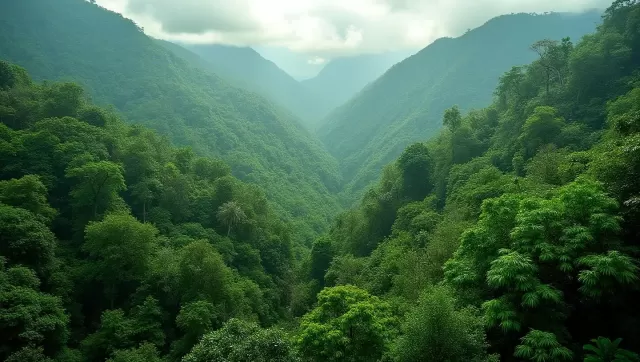
A comprehensive analysis of long-term ecological data reveals a complex and shifting picture for the biodiversity of South America's tropical forests. While the overall count of tree species across the continent has shown resilience, this stability masks significant regional upheavals driven by changing global conditions.
Regional Shifts Replace Overall Stability
The research, drawing from four decades of meticulous botanical records across hundreds of monitored forest plots, indicates that climate change is not having a uniform effect. The apparent continental-level balance in species richness conceals powerful local currents of loss and gain. This pattern underscores that tropical forests are responding to environmental pressures in highly localized ways.
Climate Stressors Linked to Diversity Loss
The study identifies clear environmental drivers behind these regional trends. Forests experiencing the following conditions were most prone to losing tree species:
- Increased temperatures
- Drier climates
- More pronounced seasonal shifts
Conversely, regions with more robust and naturally variable ecosystems often saw an increase in species numbers over the same period. The analysis highlights that beyond temperature, changes in rainfall amounts and seasonal patterns are critical factors shaping these outcomes.
Geographic Winners and Losers
The data pinpoint specific areas undergoing the most significant transformations:
Areas of notable decline include:
- The Central Andes
- The forests of the Guyana Shield
- Central Eastern Amazon regions
In contrast, the Northern Andes and Western Amazon emerged as zones where most research plots recorded increases in tree species richness.
The Northern Andes as a Critical Refuge
A key finding positions the Northern Andes as a potential sanctuary for biodiversity. As adjacent lowland and other montane forests become less hospitable due to climatic changes, this region may serve as a vital refuge for displaced species. Its ecological importance is therefore magnified, not only for its inherent diversity but also as a possible haven for climate migrants.
The Mechanisms of Change and Future Threats
Plant species face limited options in a warming world: they can migrate, adapt in place, or face decline. The observed shifts in forest composition signal that these processes are actively underway, altering ecosystems at multiple scales. Researchers further emphasize that deforestation compounds these climatic threats, making the conservation of intact forests, particularly where the Amazon meets the Andes, an urgent priority for both biodiversity and climate stability.
The Path Forward for Research
Future investigations will delve deeper into the nature of these compositional changes. Scientists aim to understand whether the specific types of trees being lost or gained point to a broader homogenization of these rich ecosystems. This ongoing work relies on the continued collaboration of international research networks and the invaluable contributions of South American scientific institutions.