Polar Geoengineering: Solution or Dangerous Distraction?
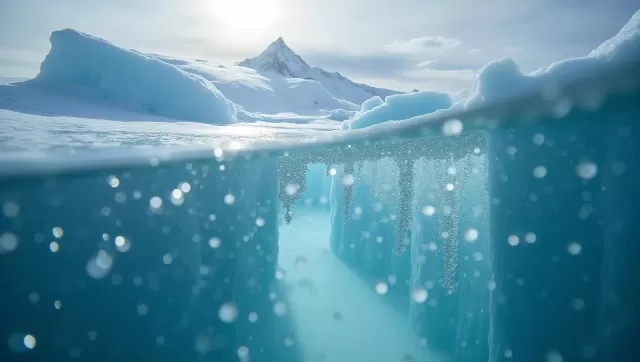
The rapid warming of the Arctic and Antarctic, far outpacing the rest of the globe, has spurred a search for innovative solutions. However, a controversial topic has emerged: geoengineering. These ambitious schemes, ranging from underwater curtains to reflective beads on ice, aim to directly manipulate the environment to combat the effects of climate change at the poles. But are they a viable solution, or a dangerous distraction from addressing the root causes of the problem?
A growing chorus of scientists is raising concerns, arguing that polar geoengineering proposals are not only prohibitively expensive and risky but also divert crucial resources from the vital task of reducing carbon emissions.
What is Polar Geoengineering?
Polar geoengineering encompasses a range of proposed technologies designed to mitigate the impacts of climate change specifically in the Arctic and Antarctic regions. These ideas are motivated by the alarming rate of ice loss, which contributes to rising sea levels, increased absorption of solar radiation, and further warming.
Here's a look at some of the key proposals:
- Seawater Pumping: Artificially thickening sea ice by pumping seawater onto its surface during winter.
- Reflective Beads: Scattering tiny glass beads across ice surfaces to increase reflectivity and reduce solar absorption.
- Stratospheric Aerosol Injection (SAI): Releasing reflective particles into the upper atmosphere to block sunlight, a more global approach with potential polar benefits.
- Underwater Curtains: Installing massive barriers on the seabed to prevent warmer ocean currents from reaching and melting ice sheets.
- Glacial Meltwater Pumping: Drilling into glaciers to pump out meltwater, reducing lubrication and slowing their slide into the ocean.
- Ocean Fertilization: Introducing nutrients to stimulate phytoplankton blooms, which absorb carbon dioxide from the atmosphere.
The Argument Against Polar Geoengineering: A Critical Assessment
A recent analysis by 42 scientists, published in the journal Frontiers in Science, presents a strong case against these polar geoengineering schemes. The researchers assessed the proposals against six key criteria:
| Criterion | Description |
|---|---|
| Effectiveness | Does the scheme actually achieve its intended goal of mitigating ice loss or reducing warming? |
| Cost | What are the financial costs of implementing and maintaining the scheme? |
| Scale and Time | Can the scheme be deployed at a scale large enough to make a significant impact, and within a relevant timeframe? |
| Environmental Risks | What are the potential unintended consequences for the polar environment and its ecosystems? |
| Governance Challenges | How would the scheme be governed and regulated, especially given the international nature of the polar regions? |
| False Hopes | Does the scheme create a false sense of security, diverting attention from the need for emissions reductions? |
The analysis concluded that none of the proposed schemes adequately addressed these criteria. The researchers argue that they are fundamentally flawed and that further investigation is a misallocation of resources.
Key Concerns:
- Exorbitant Costs: The estimated cost of implementing many of these schemes is staggering, potentially reaching tens of billions of dollars per year.
- Technological and Logistical Challenges: Deploying and maintaining these technologies in the harsh polar environments poses immense engineering and logistical hurdles.
- Environmental Risks: The potential for unintended consequences to fragile polar ecosystems is significant, including toxicity to wildlife, disruption of food webs, and alterations to ocean chemistry.
- Governance Issues: The cross-border nature of the polar regions raises complex questions about who would be responsible for regulating and overseeing these schemes.
- Moral Hazard: Relying on geoengineering as a "Plan B" could undermine efforts to reduce greenhouse gas emissions, the only long-term solution to climate change.
The Counterargument: Exploring All Options
Despite the criticisms, proponents of geoengineering argue that exploring these options is essential. They maintain that the slow pace of emissions reductions necessitates the investigation of "emergency brakes" to avert catastrophic climate change.
Key Arguments:
- Need for Speed: Geoengineering could potentially provide a faster response to climate change than emissions reductions alone.
- Risk Mitigation: Even with emissions cuts, some level of global warming may be unavoidable, making geoengineering a potential tool for managing the remaining risks.
- Cost-Effectiveness: Some argue that certain geoengineering schemes, such as stratospheric aerosol injection, could be relatively inexpensive compared to the costs of climate change impacts.
- The Lesser of Two Evils: Some argue that the risks of geoengineering must be weighed against the even greater risks of unchecked global warming.
The Path Forward: Emissions Reductions as the Priority
The debate over polar geoengineering highlights the urgent need for a comprehensive approach to climate change. While exploring innovative solutions may be warranted, the overwhelming consensus is that rapid and deep cuts in greenhouse gas emissions must be the top priority.
As stated by Professor Siegert, "Anything that drifts us away from doing that will make the world less safe and less habitable."
Focusing on decarbonization provides a sustainable, long-term solution to the climate crisis, whereas the geoengineering schemes, at best, offer temporary fixes with potential unintended consequences.
Conclusion
The idea of manipulating the Earth's climate to combat the impacts of global warming is fraught with complexity and uncertainty. While some argue that geoengineering deserves further investigation, a growing number of scientists warn against the risks of diverting resources and attention from the critical task of reducing greenhouse gas emissions. The scientific community must engage in open and transparent discussions about the potential benefits and risks of all proposed solutions, with a clear understanding that the only true solution to the climate crisis lies in addressing its root causes. The future of the polar regions, and the planet as a whole, depends on it.