Widespread Species Collapse Revealed
A recent study revealed that over half of the planet's species are facing sharp population decreases, making the loss of biodiversity "much more alarming" than previously believed.
Many species have already been exterminated by humans, and many more have been driven to the verge of extinction; according to some experts, we are about to enter the "sixth mass extinction" event, which will be caused by humans this time.
The primary cause of species decrease is the loss of natural landscapes to create room for highways, towns, cities, and farms, but climate change also plays a significant role and is expected to worsen as the planet warms.
The authors of the research examined over 70,000 species worldwide, including fish, amphibians, birds, reptiles, mammals, and insects, to ascertain if their numbers have been increasing, decreasing, or staying constant over time.
According to the meticulously conducted study, unveiled this past Monday within the esteemed pages of the journal *Biological Reviews*, a staggering forty-eight percent of these species are presently enduring disquieting declines in their populations, whilst a mere pittance—fewer than three percent—exhibit any semblance of resurgence.
Their findings constitute a "drastic alert," according to co-author Daniel Pincheira-Donoso of Queen's University Belfast's School of Biological Sciences.
He continued by saying that the study offers a "clearer picture" of the magnitude of biodiversity loss worldwide.
"Conservation categories"—labels that the International Union for Conservation of Nature gives to each species they evaluate at a certain point in time—have been used for decades to characterize the extinction issue, according to Pincheira-Donoso.
According to that methodology, around 28% of species are listed as threatened with extinction on the IUCN's Red List of Threatened Species.
This seminal investigation reveals that a disquieting thirty-three percent of the species presently catalogued by the IUCN Red List under the ostensibly reassuring classification of 'non-threatened' are, in fact, teetering precariously upon the precipice of irrevocable extinction.
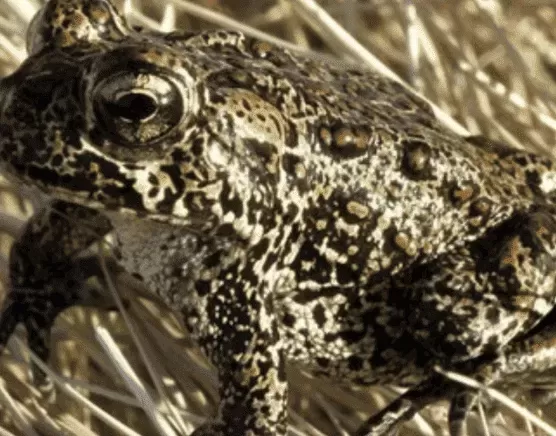
According to the research, amphibians have been particularly negatively impacted overall and are facing several dangers, such as illness and climate change, while mammals, birds, and insects are all seeing species reductions.
For piscine and reptilian denizens of the terrestrial sphere, the tidings bore a more auspicious tenor, as a greater multitude of their kindred species appeared to maintain populations of steadfast equilibrium rather than succumbing to lamentable decline.