Winter Storm vs. Climate Change: Understanding the Link
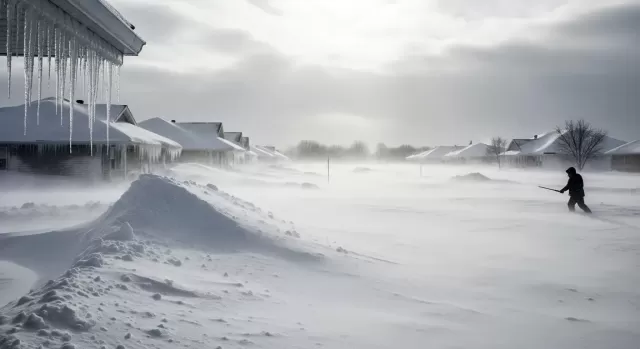
A massive winter system is currently sweeping across the United States, bringing life-threatening temperatures and heavy snowfall to over 200 million residents. While some public figures have pointed to this frigid blast as evidence against global warming, climate scientists emphasize that a single weather event does not negate the decades-long trend of rising planetary temperatures.
Understanding the Polar Vortex Disruption
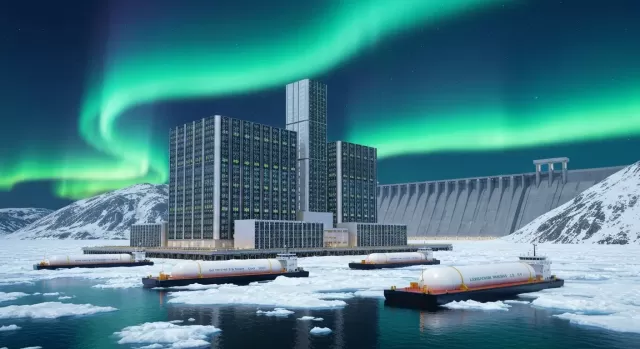
The mechanics behind this intense cold snap involve the polar vortex—a high-altitude ribbon of wind that typically keeps freezing Arctic air confined to the far north. When this system weakens or stretches, it acts like a breach in a dam, allowing icy air to spill southward into the mid-latitudes. This phenomenon explains why regions usually accustomed to milder winters are suddenly facing sub-zero conditions.
How Arctic Heating Fuels Extreme Cold
Recent research suggests a counterintuitive link between a warming planet and these severe winter episodes. The Arctic is currently heating at a rate nearly four times faster than the global average. This rapid warming, fueled by disappearing sea ice, may be destabilizing the polar vortex more frequently. As the temperature difference between the pole and the equator shrinks, the winds that contain the cold air can become erratic, leading to the "stretching" effect that sends Arctic air toward the U.S. East Coast and Midwest.
Long-Term Climate Trends vs. Weather Events
It is essential to distinguish between localized weather and global climate patterns. Despite high-profile blizzards, data from organizations like Climate Central reveals a clear warming trend that contradicts the idea of a cooling planet.
- Average winter cold snaps in the U.S. have shortened by approximately six days since 1970.
- Winter is currently the fastest-warming season across much of North America, leading to reduced snowpack and shorter skiing seasons.
- Record-breaking heat days now consistently outnumber record-breaking cold days on a global scale.
- The coldest yearly temperatures in the U.S. have risen by an average of 4.6°F (2.5°C) over the last fifty years.
While the current storm presents immediate dangers and logistical hurdles, the broader scientific consensus remains unchanged. The Earth's atmosphere continues to retain more heat due to the burning of fossil fuels, even as specific regions experience periodic, intense bursts of cold. Short-term weather fluctuations do not rewrite the reality of long-term climate change.