Wildflowers Bloom Out of Season: Climate Change Visible Signal
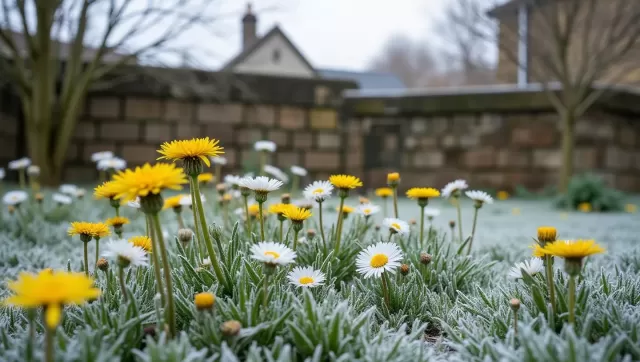
A surprising number of wildflowers are now blooming across the UK during the winter months, a trend scientists are directly linking to shifts in the global climate. Recent analysis of annual botanical surveys reveals a stark correlation: for every 1°C increase in temperature during the late autumn, an average of 2.5 additional plant species are found in flower around the New Year.
The Data Behind the Bloom
The findings are drawn from a long-running citizen science project where volunteers record flowering plants in the first days of January. Over the past nine years, this data has painted a clear picture of change. In the most recent survey, participants documented 310 native species in bloom—a figure dramatically higher than the historical average of around 10 species for this season. When non-native plants are included, the total number of flowering species counted exceeded 640.
This widespread out-of-season flowering is being described by researchers as a clear, observable sign of ecological disruption. Experts from both meteorological and botanical institutions agree that this is a direct consequence of a warming planet.
A Tangible Sign of a Changing Climate
The connection between warmer temperatures and plant behavior is now undeniable. The altered flowering patterns serve as a visible indicator that people can witness in their own gardens and local parks, from common lawn daisies and dandelions to non-native species like Mexican fleabane.
With global average temperatures already significantly above pre-industrial levels, the resulting weather extremes are increasingly destabilizing natural habitats and seasonal rhythms. The UK's record-breaking temperatures in recent years provide the context for these botanical shifts.
Implications for Wildlife and Ecosystems
This disruption to natural cycles extends far beyond early blossoms. The phenomenon underscores how climate instability is indiscriminately affecting native wildlife, potentially creating mismatches in ecosystems where plants, insects, and other animals rely on synchronized life cycles.
The evidence suggests that these trends are likely to continue, offering a quiet but persistent signal of the broader environmental changes underway. As winter temperatures creep higher, the traditional boundaries of the seasons for flora and fauna are becoming increasingly blurred.