Arctic Data Hub Fueled by AI Demand
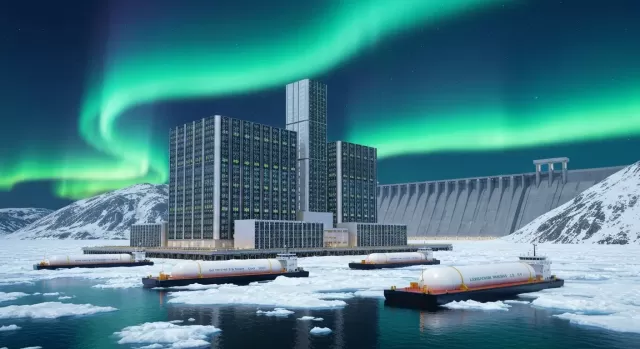
A groundbreaking data center initiative is taking shape in a remote Arctic locale, spearheaded by a former official from the Trump administration. This ambitious, multi-billion-dollar project aims to establish a significant data processing hub in Greenland, responding to the escalating global demand for AI infrastructure.
Ambitious Scale and Timeline
The Greenland facility is slated for an initial operational capacity of 300 megawatts (MW) by mid-2027. This will be followed by a substantial expansion, projecting a 1.5 gigawatt (GW) output by the close of 2028. While these figures dwarf the power capacity of most current data centers, the broader trend in the industry involves the development of numerous large-scale facilities worldwide to support the burgeoning AI sector.
Investment and Support
The venture, estimated to cost billions, has secured half of the funding for its initial phase and half for its final expansion through binding investor commitments. Drew Horn, a former senior aide to Vice President Mike Pence and CEO of GreenMet, a company providing strategic counsel to the project, confirmed these financial arrangements. GreenMet's website highlights its role in facilitating both private and government funding, alongside strategic partnerships.
Strategic Location and Development Partners
The chosen location for the data center is the Kangerlussuaq area in southwest Greenland, a settlement with an existing airport, offering logistical advantages. Technical partners have been engaged to assist with the construction phase. However, critical steps remain, including the acquisition of land and the securing of necessary approvals from local authorities. The specific identities of the other companies involved in this venture are currently undisclosed.
Geopolitical Context and Commercial Interests
Greenland's potential for commercial development has recently gained prominence, partly due to renewed discussions surrounding its potential acquisition by the United States. While critical minerals and freshwater reserves have been identified as potential assets, logistical hurdles associated with Greenland's limited infrastructure present challenges. The global data center market is experiencing unprecedented growth, with record-breaking deal volumes driven by the need to power energy-intensive AI workloads. Major technology firms are making substantial investments in data center development across the globe.
Project Genesis and GreenMet's Role
Planning for the Greenland data center commenced approximately a year ago. GreenMet is actively involved in securing the necessary components, from energy solutions to technological infrastructure, and has established a local partnership in Greenland. The company is also seeking government investment from various nations, including the U.S., Greenland, Denmark, and other NATO allies.
Financing and Approvals
The committed financing, comprising both debt and equity, is tied to the project's ability to meet key milestones, notably obtaining permits from the Greenlandic government. Notably, other former senior Trump administration figures hold stakes in GreenMet. George Sorial, formerly with the Trump Organization, and Keith Schiller, who served as Trump's longtime bodyguard, were involved in GreenMet's establishment and remain shareholders, though they state they have no active management role.
Diplomatic Engagements
GreenMet's CEO has been actively cultivating relationships with officials in both the Greenlandic and Danish administrations. Recent engagements include discussions with the Danish Ambassador to the U.S., focusing on advancing the data center project. While private sector support appears strong, diplomatic considerations stemming from the broader geopolitical landscape surrounding U.S. interest in Greenland are a significant factor. The success of this private endeavor is contingent on the consensus and approval of all relevant parties and nations.
Powering the Future
The construction and development of the data center are expected to be led by larger corporate entities, with GreenMet continuing in an advisory capacity. Securing a reliable and sustainable power source is a primary challenge. For the initial 300 MW phase, the plan involves utilizing specialized barges to supply Liquefied Natural Gas. The subsequent expansion to 1.5 GW envisions the construction of a hydroelectric facility, leveraging Greenland's significant reliance on hydropower for energy generation. Permits for both the LNG barges and the hydroelectric plant are pending approval from the Greenlandic government. Horn argues that the successful implementation of the hydroelectric facility would ensure long-term commercial viability through competitive energy pricing.
Advantages and Obstacles of Arctic Development
The low ambient temperatures in Greenland offer a significant advantage for data center operations, facilitating energy-efficient "free cooling" systems. However, building in the Arctic presents unique challenges, including high capital expenditure, short construction seasons, and the need for specialized engineering to manage the heat generated by servers without compromising the permafrost. Furthermore, advancements in chip technology, leading to more energy-efficient processors that require less cooling, could potentially influence the economic feasibility of such remote data center projects in the future.