Steamy Soak Shifts Monkey Microbiome
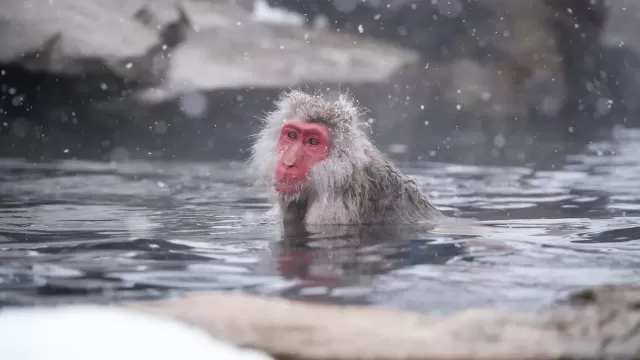
For the Japanese macaques of Jigokudani, a steamy soak in a natural hot spring is more than a picturesque winter ritual. New research reveals that this iconic bathing behavior extends beyond simple warmth, subtly influencing the complex community of organisms that live on and within the monkeys themselves.
Beyond Warmth: A Holistic Look at Monkey Bathing
Scientists from Kyoto University embarked on a two-year winter study to investigate the broader biological impacts of this behavior. They focused on a group of female snow monkeys, carefully observing and comparing individuals who were frequent bathers with those who seldom or never entered the hot springs.
The research team combined:
- Direct behavioral observations
- Detailed checks for external parasites
- Genetic sequencing of gut microbial communities
This comprehensive approach aimed to assess if bathing affected the "holobiont"—the complete living system of the animal plus all its associated microbes and parasites.
Subtle Shifts in Parasites and Gut Bacteria
The findings, published in a peer-reviewed journal, confirmed that the time spent in hot springs does indeed correlate with changes in the monkeys' biological relationships.
- Ectoparasite Patterns: Monkeys that regularly soaked showed different patterns of body lice compared to non-bathers. Researchers suggest the warm, mineral-rich waters may interfere with lice activity or preferred egg-laying sites.
- Gut Microbiome Adjustments: While overall gut bacterial diversity remained similar between groups, the presence of several specific bacterial genera was more common in monkeys who avoided the hot springs.
- No Increased Infection Risk: A crucial finding was that sharing the communal pools did not elevate the risk of intestinal parasite transmission. Bathing monkeys showed no increase in infection rates or severity from these internal parasites.
Behavior as an Active Shaper of Health
Traditionally, animal behavior is often viewed as a reaction to environmental conditions. This study demonstrates that behavior can actively shape an animal's internal and external ecosystem.
"The hot spring bathing isn't just about temperature regulation or stress reduction," noted lead researcher Abdullah Langgeng. "It actively alters the macaques' interaction with the diverse life forms inhabiting their bodies, from surface parasites to gut microbes."
Implications for Understanding Health in Social Animals
This research is pioneering in linking a natural, socially maintained behavior in a wild primate to concurrent changes in both ectoparasites and the gut microbiome. It provides valuable insight into:
- How health-related behaviors may have evolved in social species.
- The dynamic ways microbiomes can vary based on group habits and environmental interactions.
The study also invites intriguing parallels with human health. Much like these primates, human practices—from bathing to communal water use—influence our exposure to microbes. The results challenge assumptions that shared water sources inherently raise disease risk, highlighting the complexity of such interactions in natural settings. Understanding these dynamics in wildlife offers a deeper perspective on the intricate links between behavior, ecology, and health.