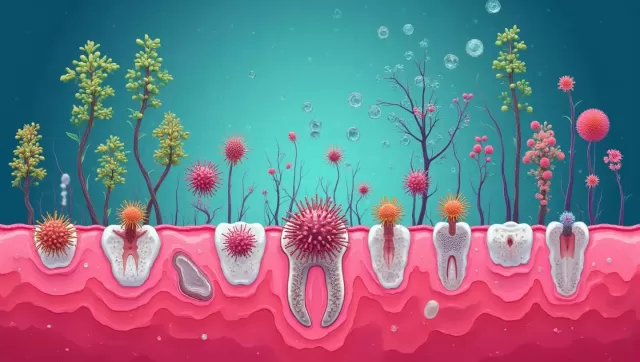
Flinders Uni: Microbes Help Health, Not Harm
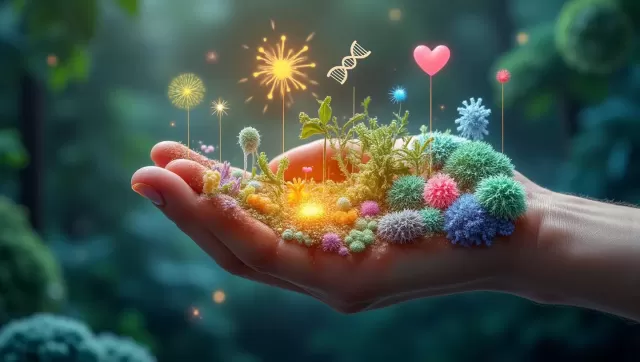
For generations, the prevailing narrative surrounding bacteria and viruses has been one of fear. We have been conditioned to view microorganisms primarily as threats to be sanitized and eliminated. However, researchers at Flinders University are working to flip this script, presenting compelling evidence that invisible biodiversity is actually a cornerstone of human wellness.
Led by microbial ecologist Dr. Jake Robinson, the team has published findings in Microbial Biotechnology that challenge the pathogen-centric worldview. Their work urges the scientific community and the public to embrace a more nuanced perspective: one that recognizes the profound health benefits offered by the microscopic world.
A New Resource for Beneficial Microbes
To facilitate this shift in understanding, the research team has developed the Database of Salutogenic Potential. This open-access prototype serves as a digital repository dedicated to organisms and natural compounds known to foster good health. The project aims to consolidate scattered data, making it easier for experts to access evidence regarding how exposure to diverse microbiomes contributes to human resilience.
According to the researchers, the goal is to move beyond simply preventing disease. Instead, they advocate for a "salutogenic" approach—focusing on factors that actively create health. By highlighting biological elements that support well-being, the database seeks to balance the historical focus on infection and contamination.
Unlocking the Benefits of Invisible Biodiversity
The historical tendency to view microbes solely as enemies has saved countless lives through hygiene and medicine. However, this singular focus has often obscured the role of beneficial biodiversity. The researchers argue that just as the loss of plant and animal species threatens planetary stability, the depletion of microbial richness poses risks to human health.
The team has cataloged substantial data to support this view, identifying specific elements linked to positive physical and mental outcomes. Key findings in the database currently include:
- 124 Microbial Taxa: Distinct groups of microorganisms identified for their potential to support health.
- 14 Biochemical Compounds: Natural substances, ranging from soil-based bacterial byproducts to plant-derived phytoncides.
- Health Applications: Documented benefits include improved immune regulation, better metabolic function, disease suppression, and stress reduction.
From Urban Planning to Public Health
The implications of this research extend far beyond the laboratory. By understanding which environmental elements keep us well, society can rethink how we design our living spaces. The researchers suggest that this data could influence a variety of sectors:
Green Infrastructure: Designing parks and green spaces that not only look good but biologically support the immune system.
Schoolyards: Creating play environments that expose children to beneficial soil microbiomes.
Ecosystem Restoration: Guiding conservation efforts to prioritize microbial diversity alongside visible flora and fauna.
This holistic view aligns with the "One Health" framework, which acknowledges the inseparable link between the health of people, animals, and the environment.
The Impact of Urbanization on Soil Health
While the new database focuses on the positive aspects of microbes, Dr. Robinson's broader research also addresses the complexities of modern environments. In a separate study published in Communications Earth and Environment, Robinson worked with international colleagues to analyze soil composition differences between forests and cities.
The findings revealed a stark contrast. Urban soils were found to contain significantly higher concentrations of potential pathogens compared to their forest counterparts. Specifically, the team noted a several-fold increase in Klebsiella pneumoniae, a bacterium often associated with pneumonia, in densely populated areas.
This parallel research underscores the importance of the new database. As urbanization increases the prevalence of certain pathogens, understanding and restoring the balance of beneficial, health-promoting microbes becomes increasingly vital for public safety.
Building a Foundation for the Future
The creators of the Database of Salutogenic Potential view the current tool as a foundation rather than a finished product. It serves as an invitation for the global scientific community to collaborate and expand our understanding of how invisible ecosystems sustain life.
Supported by funding from organizations including the National Environmental Science Program (NESP) and the National Natural Science Foundation of China, this work represents a crucial step toward a future where we design our environments to harness, rather than destroy, the microscopic life that keeps us healthy.